AI for
Entrepreneurs
Use AI for everything. Verify everything.
Point it at hard problems.
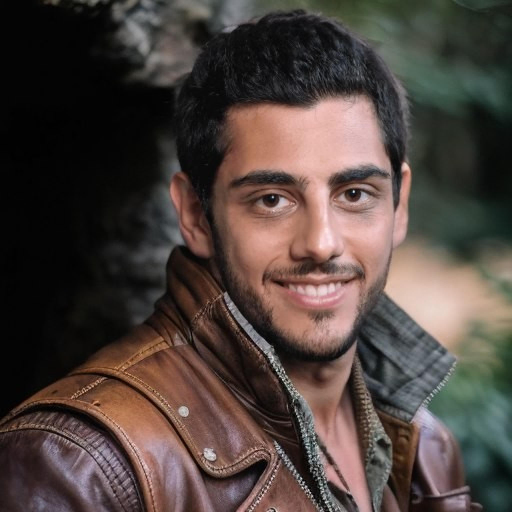
would you think they're serious?
Polish no longer
proves quality.
not the difference.
Use AI for everything —
or get left behind.
What's happening to work
Is it a bubble?
What it means for founders
Live: one agent, everything
If you do it on a computer,
AI can do it.
Nobody hires juniors anymore. And the rest of office work is next.
Robotics is the
new gold rush.
Cheap work →
cheap everything.
The biggest cost in most products is people's time.
Great as a consumer. Brutal if you sell your time — or a product whose price falls to zero.
Right now, the edge is yours.
Probably
a bubble.
Doesn't matter.
Yes, I think there's a bubble. No, it doesn't change what you should do.
The big jumps
are over.
Raw intelligence of top models has more or less peaked.
So labs specialise — and smaller, cheaper models beat yesterday's frontier.
The gold rush is eating the hardware.
64GB kit: ~€170 in mid-2025 → €926 today. Data centres are buying all the memory.
Shut down its consumer brand to sell to AI companies instead.
New consumer GPU generations — a first in about 0 years.
Even if it bursts,
AI stays.
Worst case: OpenAI and Anthropic disappear tomorrow morning.
Chinese labs have released open models, close to the frontier and good enough for most uses.
Open = download it, modify it, host it anywhere. You can't un-invent that.
The bar went up.
For everyone.
Bad news first. No sugar-coating. Then the good news.
Pressure for even smaller teams.
Everyone can build →
too much of everything.
AI writes the code, so technical people got cheaper. Anyone can build — so everyone does.
A few win big.
Most earn nothing.
Products are easy to copy and the internet lets the winner reach everyone. Winner takes most.
Your inbox.
Every buyer's inbox.
Flooded with "vibe-coded" products. Every email well written. Every landing page beautiful.
Polish means nothing now. Same for consumers: infinite apps, less chance they pick yours.
Distribution is the
new bottleneck.
Building is cheap. Getting noticed is expensive.
First 100 users, first 10 customers: now a huge budget and a huge effort.
Random SaaS?
Not worth your time.
Another to-do app
A CRM for some niche
A thin ChatGPT wrapper
Sounds depressing. But it isn't the end of the story.
Go where
it's hard.
If easy things are worthless, hard things are worth more than ever.
Domain knowledge · hardware · regulation · private data · real relationships.
The only place left where competition isn't infinite.
Most companies run on knowledge in people's heads.
No manual. No SOP. Just people who know.
You can't automate what isn't written down. Years of interviews, mapping, change management, resistance.
Or… they get replaced.
Engineers who sit inside the business, learn the work hands-on, and build the automation right there.
Everything. I mean everything.
Write
Give context and examples. Let it draft, you edit. Then ask it to critique like a tough professor.
Present
Notes → outline → argue with the outline → slides. You're looking at one.
Video
Scripts, storyboards, voiceovers, subtitles, editing — and now the footage itself.
Market & sell
Personas, competitors, positioning, 10 ad variants. Role-play your toughest customer.
Code
Even if you've never written a line. Landing pages, prototypes, small automations.
My AI Software Factory.
Ported generative-AI inference engines — video, voice cloning, text analysis — to my favourite language. For each one, independently, it:
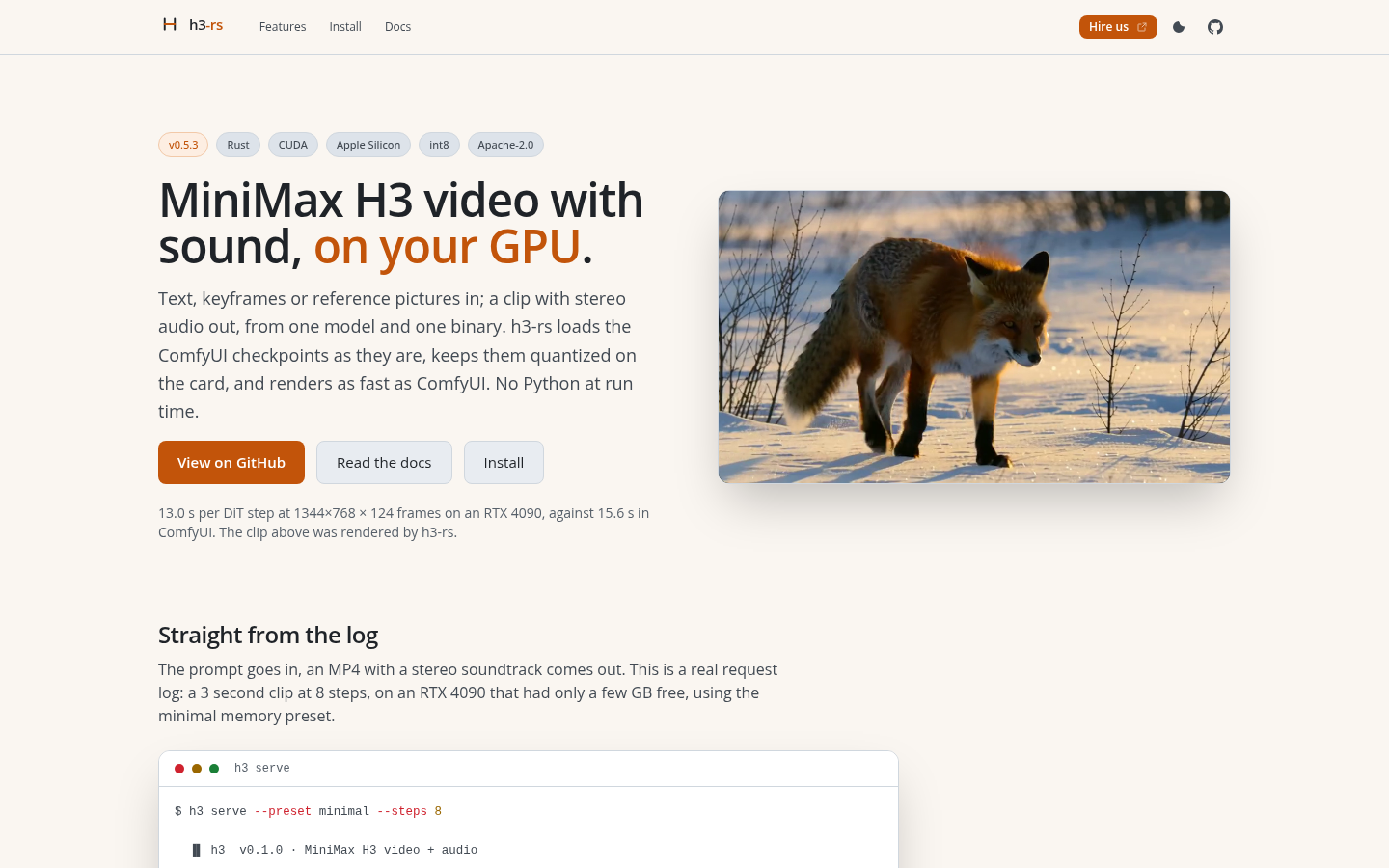
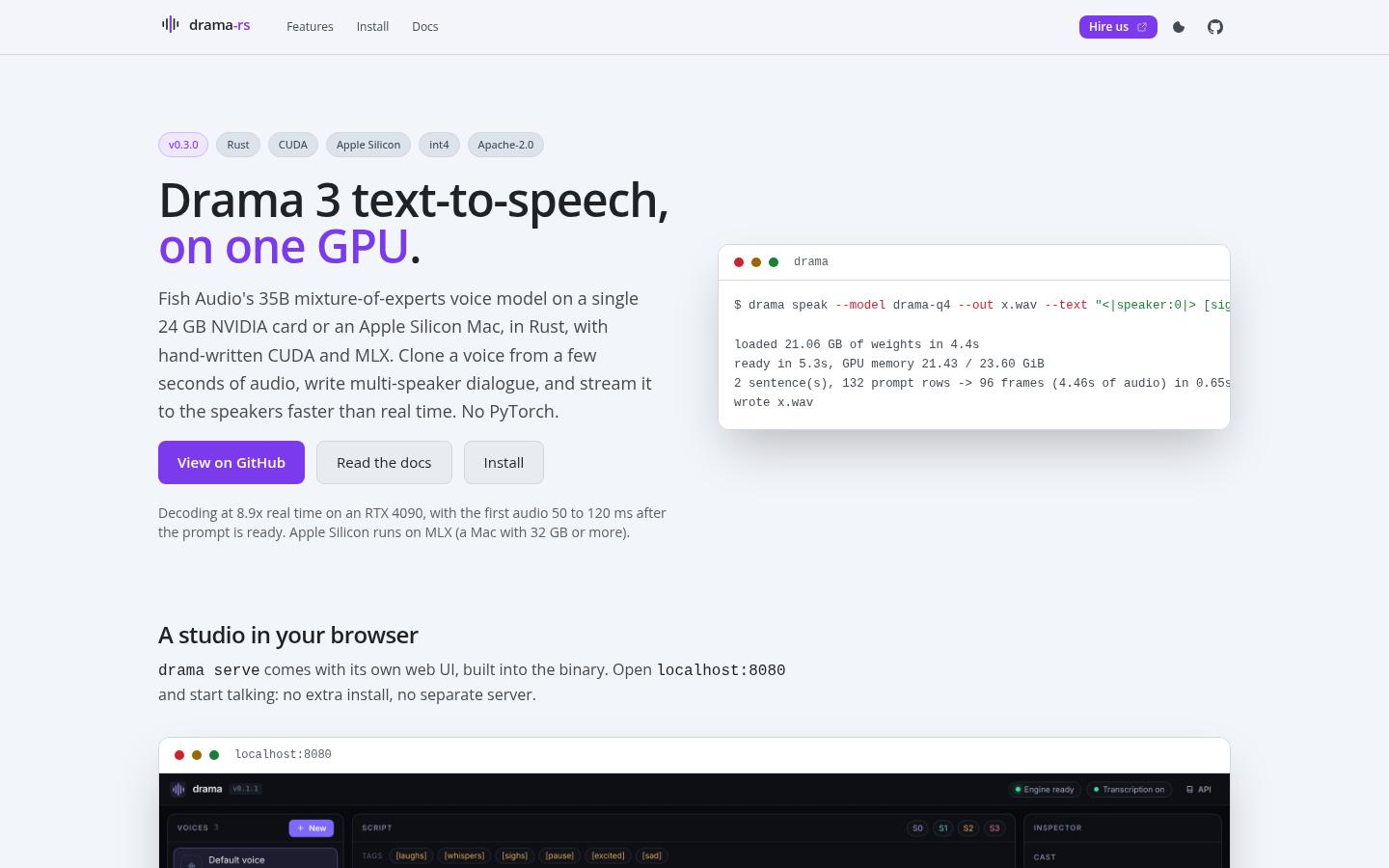
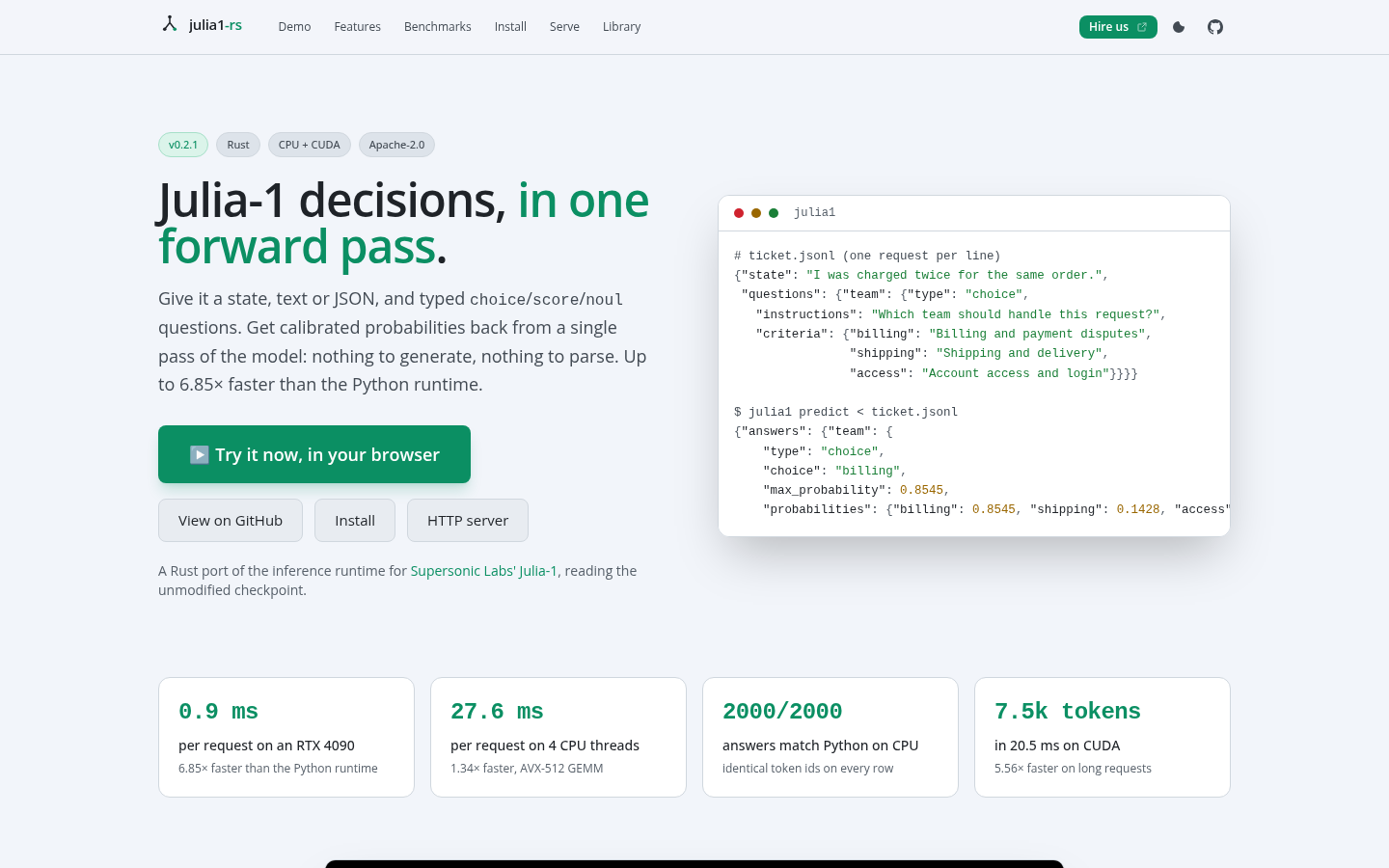
Built
the UI
Packaged it
for every OS
Ran automated
tests
Benchmarked &
beat the original
Wrote docs &
launched the site
Trust,
but verify.
AI is not infallible. It hallucinates: stats, quotes, court cases, papers, links.
With total confidence. It doesn't know it's wrong.
AI does the first draft. You're the editor.
If it cites a source, open the source. Check it exists and says what the AI claims.
Check every number that matters.
If it writes code, run it and test it. Don't assume it works.
Read everything before it goes out with your name on it. If it's wrong, it's on you.
Climb the ladder.
You don't need to spend money to start.